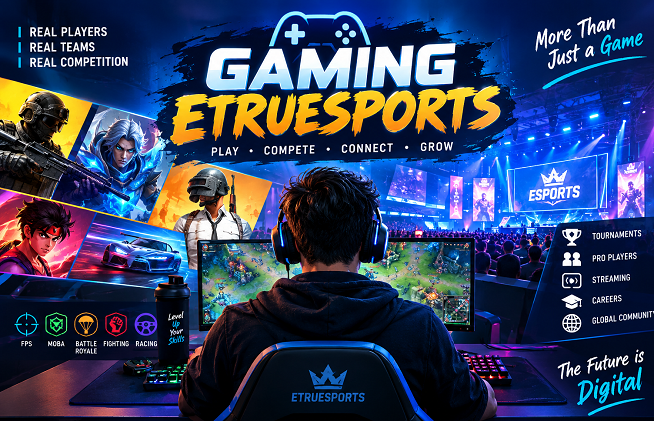
Gaming eTrueSports
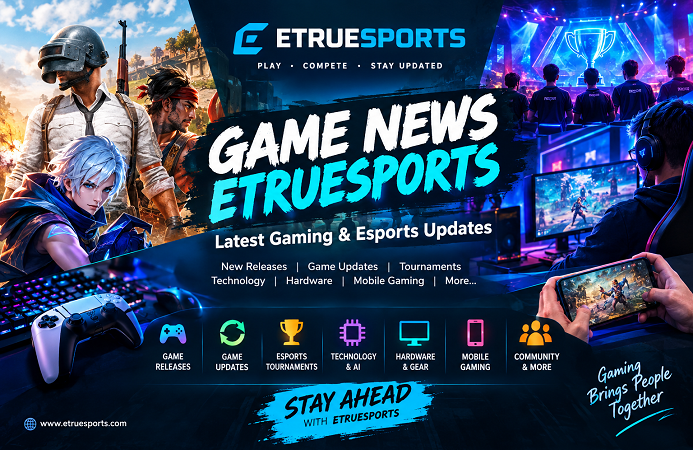
The world of gaming has changed dramatically over the last decade. What was once considered a simple form of entertainment has become a global competitive industry involving professional players, teams, tournaments, streaming platforms, sponsors, and millions of fans. At the centre of this transformation is gaming etruesports, a term commonly associated with the modern ecosystem of competitive and organised gaming.
Gaming esports combines the excitement of video games with structured competition. Players can compete individually or as part of professional teams, while audiences watch matches through online streaming platforms and live events. Popular competitive games can attract enormous audiences, sponsorship deals, prize pools, and international attention.
For gaming enthusiasts, understanding gaming esports means understanding much more than playing video games. It includes competitive strategy, teamwork, communication, player development, tournament organisation, content creation, streaming, technology, and the business side of esports.
Also Reed: How to Update ETSJavaApp by eTrueSports
What Is Gaming Etruesports?
Gaming esports can be understood as the competitive side of digital gaming where players participate in organised matches and tournaments. Similar to traditional sports, esports competitions usually have rules, teams, coaches, referees, rankings, schedules, and championships.
The difference is that the competition takes place inside digital environments. Instead of a football field or basketball court, esports players compete on computers, consoles, or mobile devices.
Professional players often spend many hours practising their skills. They study opponents, analyse previous matches, develop strategies, and communicate with teammates. In team-based games, coordination can be just as important as individual ability.
The growth of gaming esports has also created an ecosystem around competitive gaming. Tournament organisers, broadcasters, commentators, coaches, analysts, game developers, sponsors, and content creators all contribute to the industry.
How Gaming Etruesports Work
Gaming esports generally follows a structured competitive system. Players or teams enter competitions and compete through different stages. Depending on the game and tournament, these stages may include qualifiers, group matches, playoffs, semifinals, and finals.
A typical esports competition may begin with an open or regional qualification stage. Successful players then advance to a larger tournament. Some major competitions invite the best-ranked professional teams directly.
During a match, players must follow the game’s official rules. Competitive games can require fast reactions, accurate decision-making, strategic thinking, communication, and extensive knowledge of game mechanics.
Results may determine rankings, prize money, qualification for future tournaments, or championship titles.
Popular Types of Competitive Games
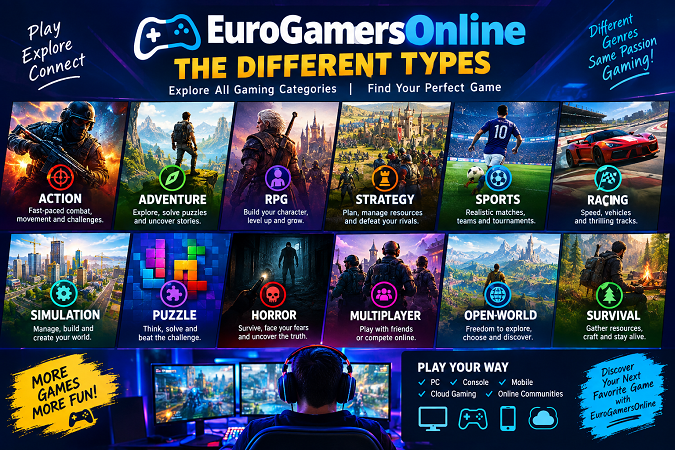
One reason gaming esports has become so popular is the variety of games available. Different genres provide different competitive experiences.
Multiplayer Online Battle Arena Games
MOBA games involve teams competing against each other in strategic digital arenas. Players normally select characters with different abilities and roles. Teamwork, resource management, map awareness, and strategy are extremely important.
First-Person Shooter Games
FPS esports focus on shooting, positioning, tactical decisions, accuracy, and communication. Matches can be extremely fast-paced, requiring players to react quickly while following team strategies.
Battle Royale Games
Battle royale competitions place numerous players or teams into a large digital environment. Players must collect equipment, survive opponents, and make strategic decisions as the playable area becomes smaller.
Fighting Games
Fighting games typically feature one-on-one or small-team competition. Success depends heavily on timing, reactions, character knowledge, combinations, and psychological strategy.
Sports and Racing Games
Digital versions of football, basketball, racing, and other sports can also have competitive communities. These games attract players who enjoy combining traditional sports knowledge with gaming skills.
Gaming Etruesports and Professional Players
Professional esports players are among the most visible participants in gaming esports. Becoming a professional player requires dedication, discipline, and continuous improvement.
Simply playing a game for many hours does not guarantee professional success. Players need to practise effectively. They may review recorded matches, identify mistakes, study professional strategies, and work on specific weaknesses.
Professional teams can also include coaches and analysts. Coaches help players develop strategies and maintain team discipline, while analysts study opponents and provide useful information before competitions.
Mental preparation is another important aspect. Competitive matches can involve significant pressure, especially during major tournaments. Players need concentration and the ability to make good decisions under stress.
Importance of Teamwork in Gaming Etruesports
Teamwork is one of the most important elements of competitive gaming. In team-based games, a highly skilled individual cannot always win without effective coordination.
Successful teams usually establish clear roles. Some players may focus on attacking, while others provide defensive support, information, or strategic assistance.
Communication allows players to share information quickly. For example, teammates may need to communicate an opponent’s position, available resources, tactical plans, or changes in the game environment.
Trust is also important. Players must understand their teammates’ decisions and execute strategies together. This makes communication and teamwork essential parts of gaming esports.
Technology Behind Gaming Etruesports
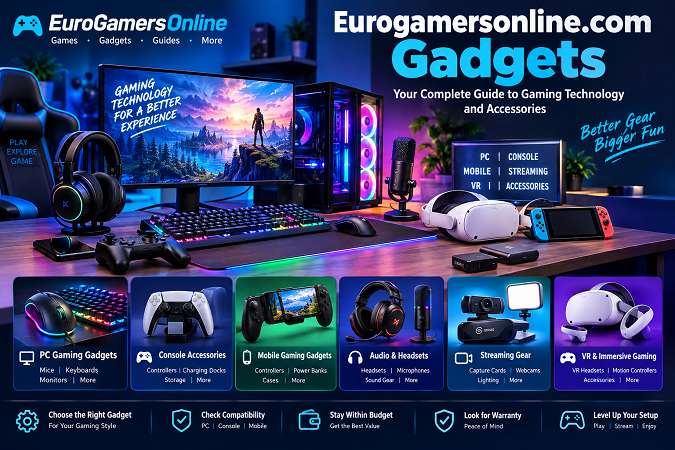
Technology plays a major role in modern competitive gaming. High-performance computers, gaming monitors, keyboards, mice, controllers, headsets, and reliable internet connections can all influence the gaming experience.
For professional players, small differences in input response, frame rates, display quality, and network stability can matter.
Tournament organizers also depend on sophisticated technology. Large events may require game servers, broadcasting systems, spectator tools, streaming infrastructure, anti-cheat technology, and data analysis systems.
As technology continues to improve, gaming esports is likely to become even more immersive and sophisticated.
Gaming Etruesports Tournaments
Tournaments are the heart of competitive gaming. They provide players with opportunities to compete against strong opponents and demonstrate their skills.
Small tournaments may be organised by local communities or online platforms. Larger competitions can involve regional and international teams.
A tournament may offer prize money, trophies, rankings, qualification opportunities, or recognition. Major events can also attract sponsors and large audiences.
Live esports events create an atmosphere similar to traditional sporting competitions. Fans can gather in arenas, watch professional players compete, and support their favourite teams.
Gaming Etruesports and Streaming
Streaming has played a major role in the growth of gaming esports. Fans can watch live matches online from almost anywhere.
Streaming platforms allow viewers to follow professional players, tournaments, commentators, and gaming personalities. This has created another career path for people who may not become professional esports players.
A talented gamer can build an audience by streaming gameplay, explaining strategies, reviewing games, or entertaining viewers. Successful streamers may generate income through advertising, subscriptions, sponsorships, donations, and other opportunities.
This connection between esports and content creation has made the gaming ecosystem much larger than competitive tournaments alone.
Benefits of Gaming Etruesports
Gaming esports can provide several positive opportunities when approached responsibly.
Improved Strategic Thinking
Competitive games often require players to analyse situations and make decisions quickly. Players may learn to evaluate risks, resources, and possible outcomes.
Communication Skills
Team-based gaming encourages players to communicate clearly and efficiently. This can help develop collaboration skills.
Problem-Solving
Players frequently encounter unexpected situations and must find solutions quickly. Competitive gaming can encourage flexible thinking.
Career Opportunities
The esports ecosystem has created opportunities for professional players, coaches, commentators, analysts, tournament organisers, streamers, designers, marketers, and other professionals.
Community Building
Gaming communities can connect people from different countries and backgrounds. Players can meet teammates, participate in tournaments, and share their interests.
Challenges of Gaming Etruesports
Despite its growth, gaming esports also has challenges.
One major challenge is maintaining a healthy balance between gaming and everyday responsibilities. Excessive gaming can interfere with education, work, sleep, physical activity, and social relationships.
Professional competition can also create pressure. Players may experience intense competition, performance expectations, travel demands, and public criticism.
Another concern is fair play. Competitive gaming depends on players following rules and avoiding cheating or unauthorised software. Tournament organisers therefore invest in anti-cheat systems and competitive integrity measures.
Healthy routines, appropriate breaks, physical activity, sleep, and responsible gaming habits are important for long-term participation.
Gaming Etruesports Career Opportunities
The esports industry offers more career possibilities than simply becoming a professional player.
| Career | Main Responsibility | Useful Skills |
|---|---|---|
| Professional Player | Compete in tournaments. | Game skill, strategy, teamwork |
| Coach | Train and guide players. | Leadership, analysis |
| Esports Analyst | Study matches and strategies | Data analysis, game knowledge |
| Commentator | Explain live matches. | Communication, game knowledge |
| Streamer | Create live gaming content. | Entertainment, communication |
| Tournament Organiser | Manage competitions. | Planning, organisation |
| Esports Journalist | Report gaming news. | Writing, research |
| Content Creator | Produce gaming media. | Creativity, editing |
| Team Manager | Manage players and operations. | Leadership, management |
| Marketing Specialist | Promote teams/events. | Marketing, communication |
This variety demonstrates why gaming esports has developed into a broader entertainment and technology ecosystem.
How to Start in Gaming Etruesports
People interested in gaming esports can begin by selecting one competitive game and learning its mechanics thoroughly.
The next step is consistent and purposeful practice. Instead of playing randomly, beginners should identify weaknesses and create a practice routine.
Watching professional matches can also be helpful. Observing how experienced players position themselves, communicate, manage resources, and respond to opponents can provide valuable lessons.
Players can then participate in online competitions or community tournaments. These experiences can help develop competitive confidence and expose players to different strategies.
Building a positive online reputation is also important. Respectful communication, fair play, and reliability can help players build connections within gaming communities.
Gaming Etruesports in the Future
The future of gaming esports is likely to be shaped by technological innovation and changing audience habits.
Improved internet infrastructure, cloud gaming, artificial intelligence, advanced broadcasting, virtual reality, and augmented reality could influence how competitive gaming is played and watched.
Mobile esports may also continue expanding because smartphones allow people to access competitive games without expensive gaming computers.
Artificial intelligence could assist with player analytics, training tools, matchmaking, broadcasting, and performance analysis. However, competitive integrity will remain important as technology develops.
The esports industry is also likely to become increasingly professionalised, with stronger organisational structures, better player support, and more sophisticated tournament systems.
Gaming Etruesports vs Traditional Sports
Although gaming, esports and traditional sports are different, they share several characteristics.
Both involve competition, preparation, teamwork, coaching, spectators, tournaments, professional careers, sponsorships, and entertainment.
The biggest difference is the competitive environment. Traditional sports take place in physical environments, while esports competitions occur inside digital games.
Both require discipline and practice. Professional esports players train their cognitive and technical skills, while traditional athletes focus heavily on physical performance.
Why Gaming Etruesports Are Growing
Several factors have contributed to the growth of gaming esports.
First, internet access has made competitive gaming easier to watch and participate in. Players can compete with opponents from different regions without physically travelling.
Second, streaming has transformed gaming into a spectator activity. Fans can watch matches, interact with communities, and follow professional players online.
Third, game developers have invested in competitive features, tournaments, rankings, and esports ecosystems.
Finally, younger audiences are increasingly comfortable consuming digital entertainment. This creates a strong foundation for the continued development of competitive gaming.
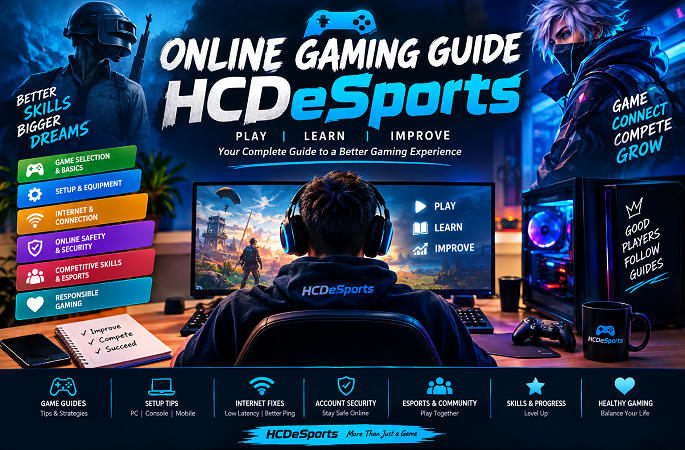
Tips for Becoming Better at Competitive Gaming
If you want to improve your performance in gaming esports, consider these basic principles:
- Choose one main competitive game.
- Learn the game’s mechanics thoroughly.
- Practice specific skills instead of playing without a goal.
- Review your mistakes after matches.
- Watch high-level competitive players.
- Improve communication when playing team games.
- Maintain a consistent sleep schedule.
- Take regular breaks during long gaming sessions.
- Use reliable equipment and the internet where possible.
- Focus on long-term improvement rather than immediate results.
Consistency is often more valuable than simply spending more hours playing.
(FAQ)s
What is gaming etruesports?
Gaming esports refers broadly to the competitive gaming ecosystem where players compete in organised digital competitions. It can include professional players, teams, tournaments, streaming, coaching, analysis, and esports-related careers.
Is gaming etruesports the same as esports?
The terms can overlap significantly. “Esports” is the widely established term for organised competitive video gaming, while “gaming etruesports” can be used as a keyword or phrase describing the broader competitive gaming ecosystem.
Can beginners participate in gaming etruesports?
Yes. Beginners can start by learning a competitive game, practising regularly, joining gaming communities, and participating in amateur or online competitions.
Do esports players need special equipment?
Professional players generally use reliable gaming hardware and stable internet connections. However, beginners do not necessarily need expensive equipment to start learning competitive gaming.
Can gaming etruesports become a career?
Yes. Career opportunities can include professional gaming, coaching, analysis, broadcasting, streaming, content creation, tournament management, marketing, journalism, and team management.
Is gaming etruesports only for PC gamers?
No. Competitive gaming exists across PC, console, and mobile platforms. The available competitions depend on the particular game and esports ecosystem.
What skills are important in gaming etruesports?
Important skills include strategic thinking, communication, teamwork, concentration, decision-making, adaptability, game knowledge, and consistent practice.
Is gaming etruesports suitable for young players?
Young people can participate in gaming responsibly, but gaming time should be balanced with education, sleep, physical activity, family life, and other responsibilities.
How can I improve my competitive gaming skills?
Choose one game, practise deliberately, analyse your mistakes, watch experienced players, improve communication, and maintain healthy gaming habits.
What is the future of gaming etruesports?
The future is likely to involve continued growth in online competition, mobile esports, advanced broadcasting, AI-assisted analytics, immersive technologies, and professional esports organisations.
Conclusion
Gaming esports represents the rapidly developing world of organised and competitive gaming. From professional players and international tournaments to streaming, content creation, technology, and new career opportunities, competitive gaming has evolved into a broad digital ecosystem.
Success in gaming esports requires more than fast reactions. Strategy, communication, teamwork, discipline, adaptability, and responsible practice are all important. At the same time, the industry provides opportunities for people who want to work as players, coaches, analysts, broadcasters, creators, organisers, and business professionals.
As gaming technology and online communities continue to develop, gaming esports is expected to remain an important part of the global digital entertainment landscape. Whether someone wants to become a professional competitor or simply follow competitive gaming as a fan, understanding the esports ecosystem can provide a clearer view of where modern gaming is heading.
About the Author